
Biography
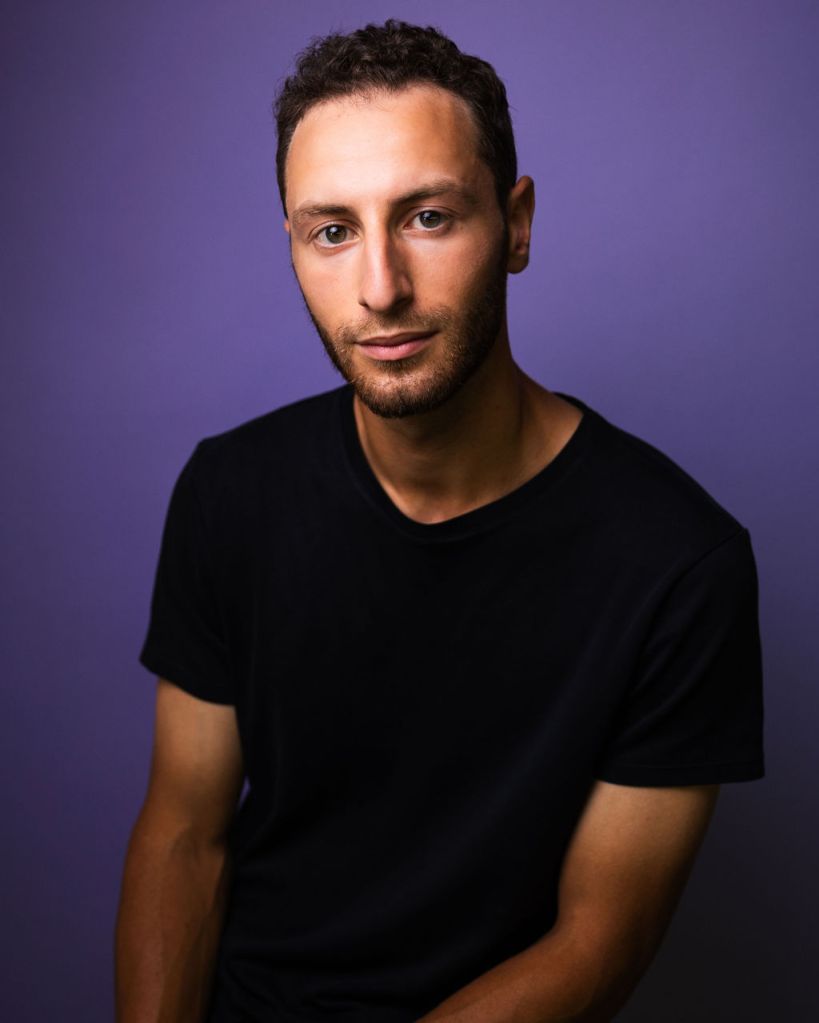
An avid chamber musician and scholar, Jeremiah Blacklow began studying violin when he was three. As a performer, he has taken the stage at important cultural centers across the globe including Incheon’s Tri-Bowl, London’s Queen Elizabeth Hall, New York’s Weill Hall, Marlboro Music, and the Metropolitan Museum of Art.
Jeremiah received his undergraduate degree from Harvard College majoring in Slavic Languages and Literature and completed his Masters in violin performance at the Juilliard School with the support of Dorothy Starling and Fidelity Foundation Scholarships. Jeremiah owes much of his musical growth to devoted teachers Catherine Cho and Itzhak Perlman, who both guided him for over a decade. He is currently pursuing a doctoral degree as a Graduate Center Fellow at City University of New York, where he studies with Mark Steinberg.
Jeremiah is a founding member of the Renaissance String Quartet, alongside violinist Randall Goosby, cellist Daniel Hass, and violist Jameel Martin. His work with the quartet has helped fulfill his passion for chamber music and his dedication to community engagement. As a part of every concert tour, the quartet connects with local schools and youth programs to give masterclasses and teach workshops. Jeremiah is violin faculty at Hunter College and has been a teacher for many young
students through music programs at Zeta Charter Schools. He is committed to sharing the artistic expression of classical music with people from all communities.
Jeremiah is also the Principal Second Violin of the Glimmerglass Opera Orchestra. He plays an 1856 Giuseppe Rocca violin, formerly used by legendary violinist Maud Powell.
Artistic
Statement
“I am an avid learner, a passionate and emotional person, and a thoughtful musician. What defines my character as a performing artist is a commitment to sound that speaks directly and sincerely from within. My approach to sound is one which leans on spontaneous reactivity to the vibrations emanating from my instrument. My dream is to be able to share that intimate character with a diverse audience, so more people from all places and backgrounds have a chance to experience personal, distinct musical performances.”
 Jeremiah Blacklow